Your IT and Data Protection
Law Experts
We offer customized legal advice for the challenges of digitalisation. Together, we master your challenges.
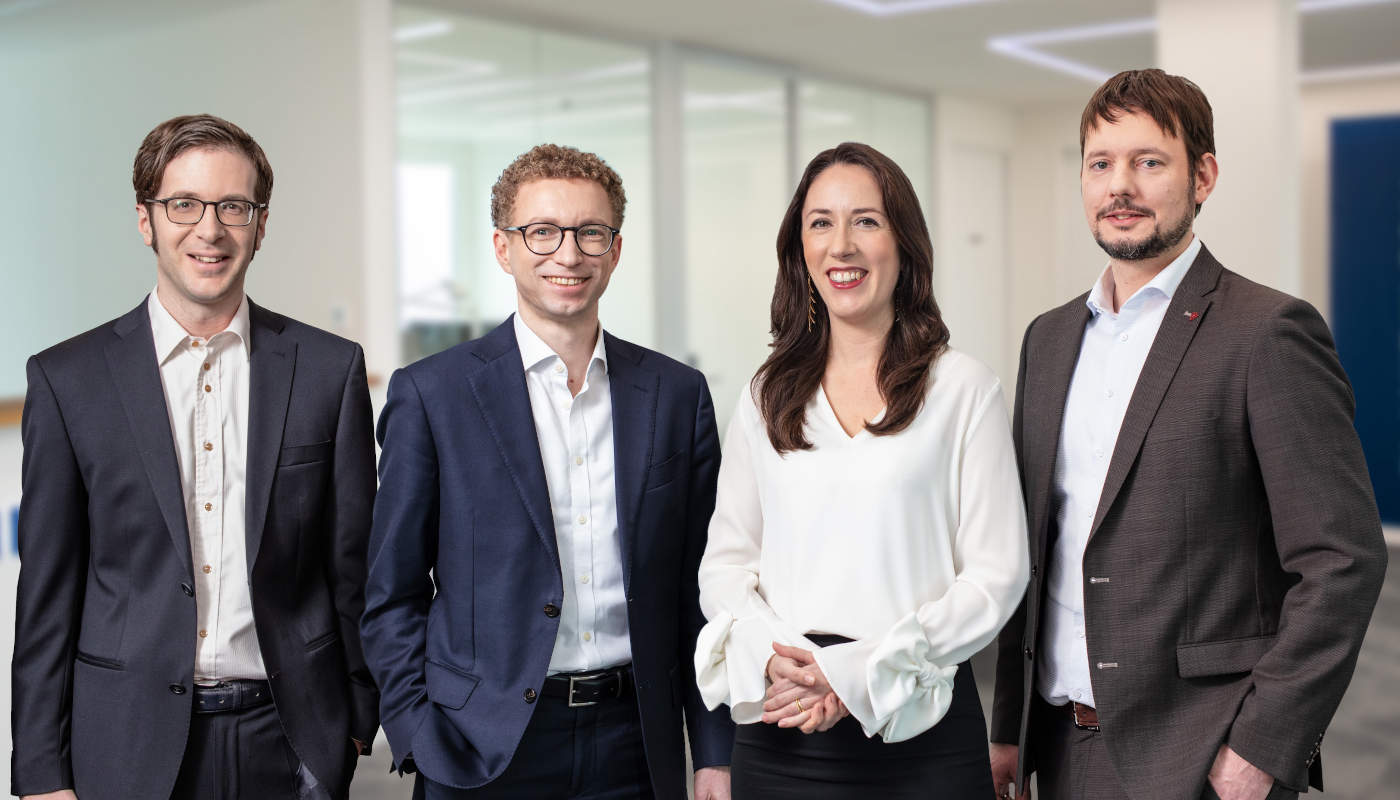
To the ServicesAn experienced team at your side
lawyers and specialist lawyers for IT and data protection law.
We provide you with competent and solution-oriented advice
on complex legal issues.





Our Expertise - Your Benefit

Lawyers
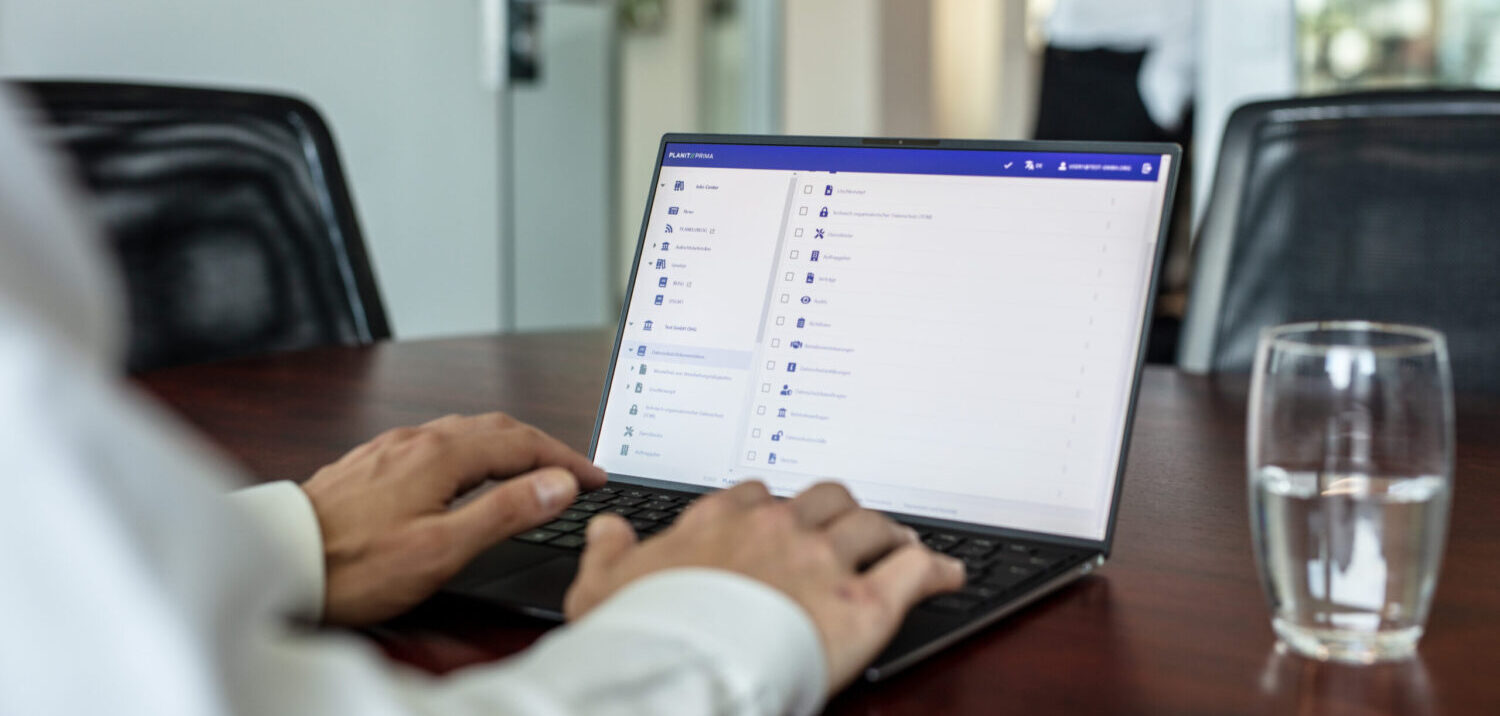
You need experts in IT and data protection law for complex legal issues relating to digitization. We are lawyers and specialist lawyers for IT law (Fachanwalt für IT-Recht) and will guide you through the challenges of digitization with perfectly taylored advice. We will protect your interests in any court or andministrative dispute and defend you against judicial sanctions and adminstrative fines. Together we master any challenge.

Legal-Outsourcing-Partner
You are looking for short-, mid- or long-term support for your legal department or want to outsource your legal function? You are looking for a temporary replacement, your company is too small for a legal department, or you need expertise on legal issues of digitization? There are many reasons for legal outsourcing and as extensive is our range of services. Feel free to contact us.

Data Protection Officer
You are legally required to appoint a data protection officer and do not have a suitable candidate or would like to benefit from our expertise for your data protection organization? Appoint PLANIT // LEGAL as your external data protection officer and we will ensure a sufficient data protection organization. It’s not in place yet? We can build it together. If you have already appointed a data protection officer in the past, we will continue to work seamlessly from the “status quo“.

Data Protection Representative
As a controller or processor without an establishment in the European Economic Area, you must appoint a “Representative in the Union”. The Representative is point of contact for supervisory authorities and data subjects in any matter relating to data protection law. PLANIT // LEGAL assumes this role for you. You comply with your obligation and we take over the tasks as your Data Protection Representative. We provide you access to our PLANIT // PRIMA web portal for efficient administration and documentation. For any queries relating to data protection law, our lawyers stand ready to help.
Legal Tech Provider
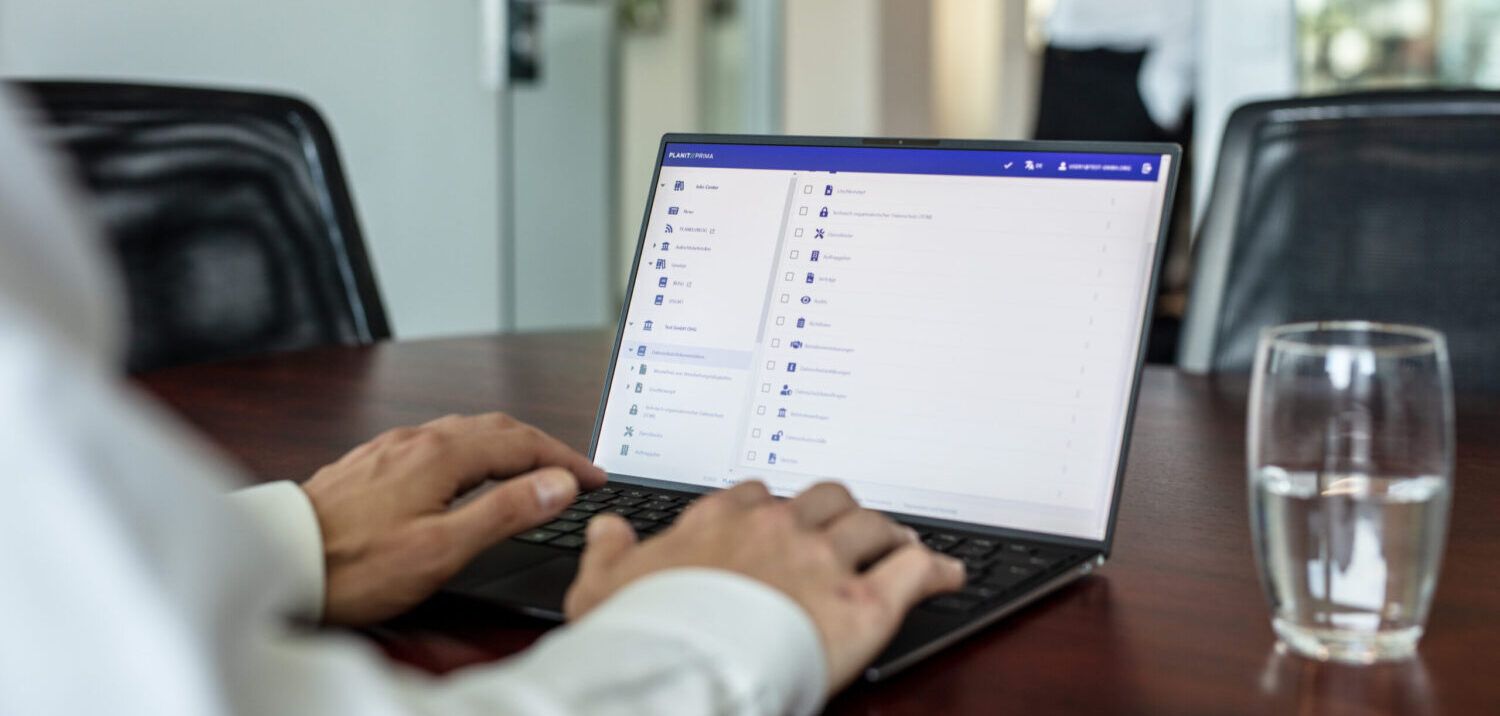
There is a wide range of legal issues and management obligations resulting from digitization. You have to address and find the right solutions to each of them. Our Legal-Tech applications support you in managing your complex obligations. Use our PLANIT // PRIMA application to map and control your data protection management. Together we will find or create your legal-tech application.
Editors, Authors, Speakers
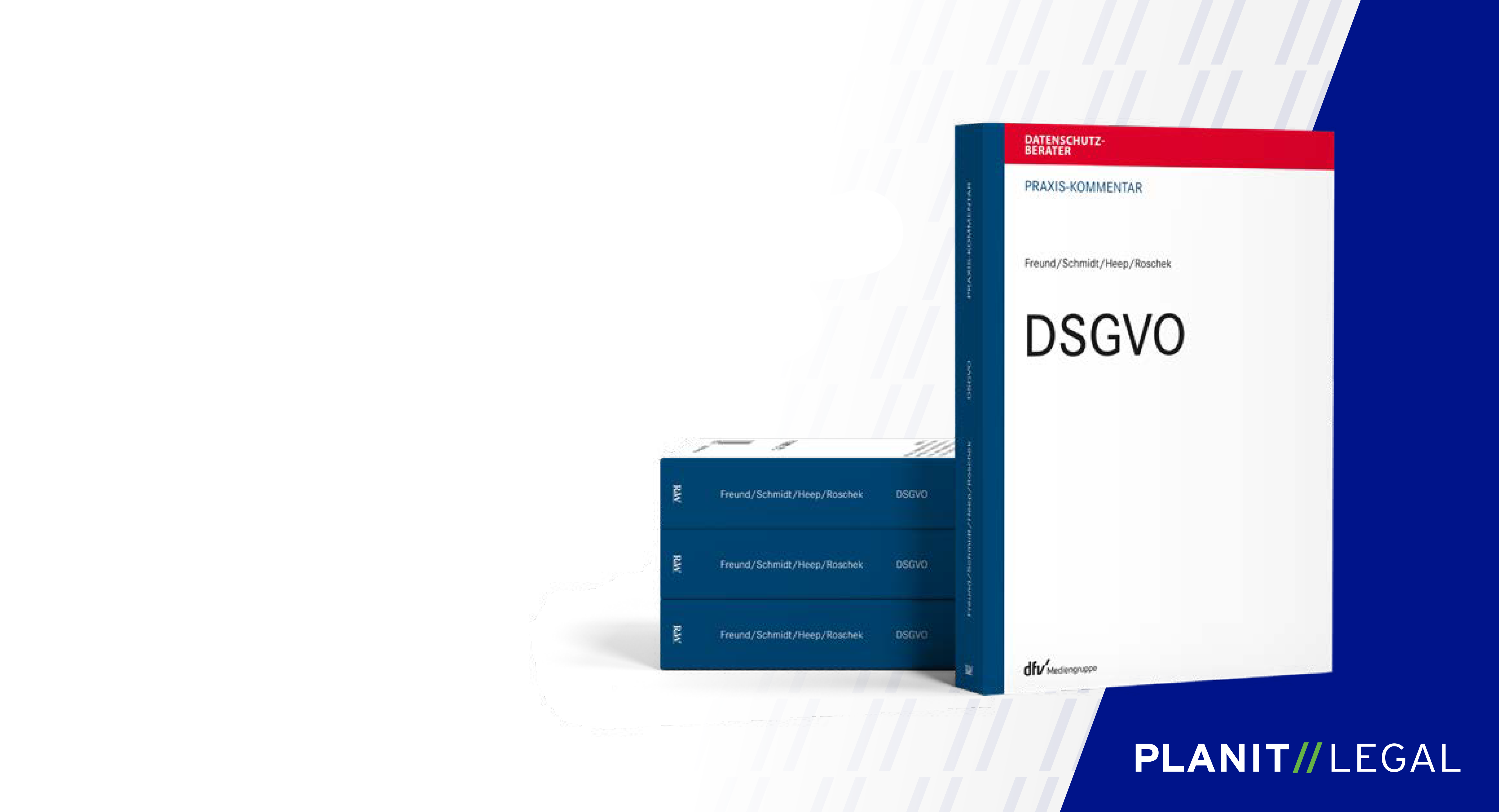
You are interested in legal issues of digitalization? We regularly publish on hot topics in IT Law, Data Protection and Legal Tech. We are especially happy about our latest publication – the GDPR commentary (Praxis-Kommentar zur DSGVO). Are you planning an event on issues of digitalization? We are also available as your speaker. Feel free to get in touch.
Team
read more
„It is a privilege to help people.“

„We solve complicated legal issues and find pragmatic solutions.“

„I was a client of PLANIT // LEGAL myself and got the support I was looking for.“

„I know your needs because I was a Legal Counsel and client myself.“
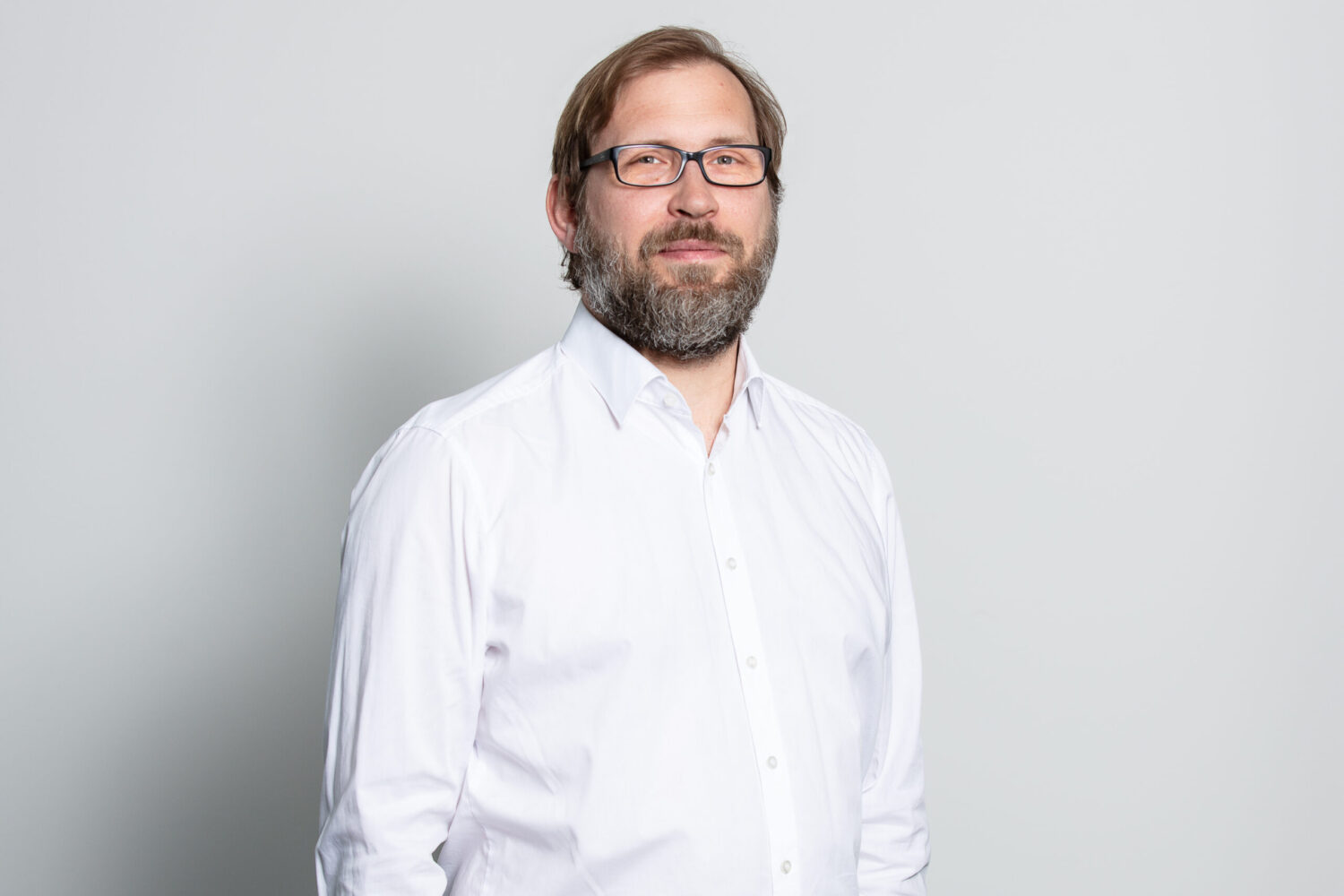

„We overcome any obstacles with ambition and positive attitude. “



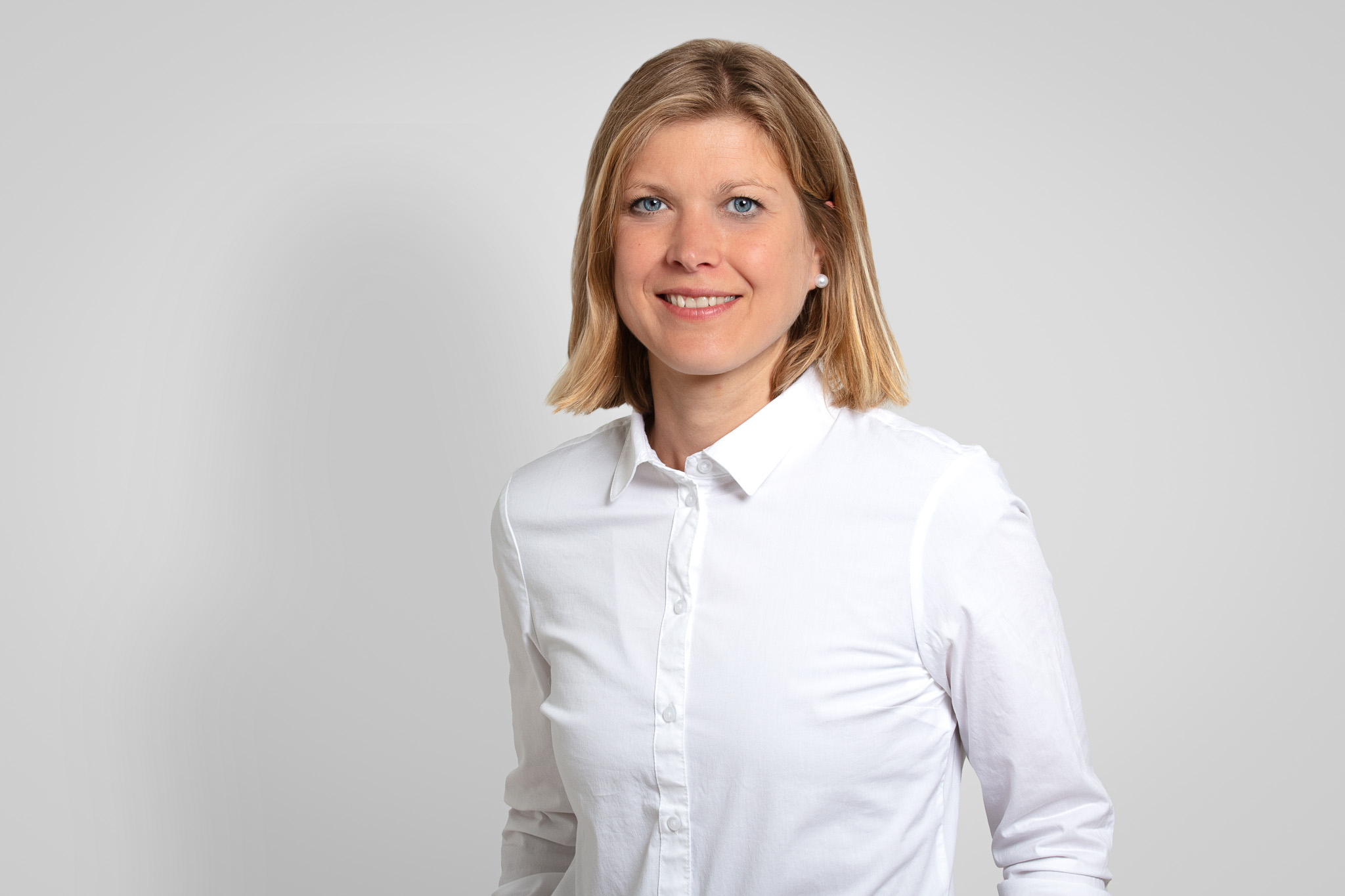
„We advise you precisely, efficiently and individually tailored to your needs.“

„The implementation of individual customer requirements gives PLANIT // PRIMA vitality.“

„We are characterised by practical and solution-oriented advice.“

„We provide clear solutions for your legal issues.“

„A strong team – that's what PLANIT // LEGAL stands for.“

„PLANIT // LEGAL is about bringing law and IT together with like-minded people.“